

Weekend Update, August 3rd, 2026
Situationally UnAware: Microsoft Wins, Memory Cracks
Key Takeaways Last Week
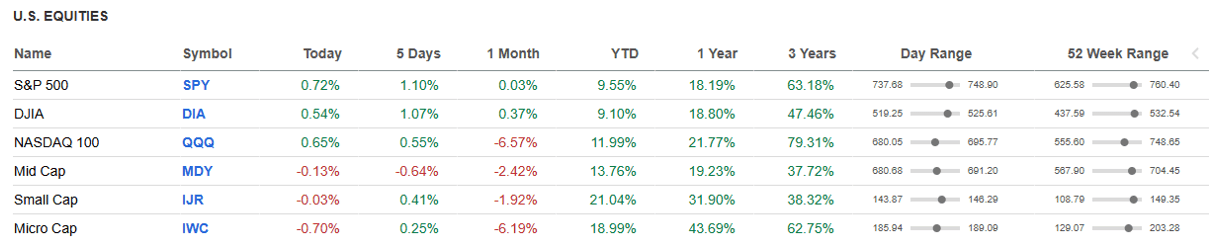
U.S. equities finished higher after a volatile week dominated by Federal Reserve policy, second-quarter GDP, inflation, and sharply divergent mega-cap earnings. The S&P 500 gained approximately +1.0%, the Dow rose +1.0%, the Nasdaq advanced +1.6%, and the Russell 2000 was unchanged. Year to date, the S&P 500 is up +9.4%, the Dow and Nasdaq are each up +9.2%, and the Russell 2000 is leading at +18.1%.
- Microsoft surged after Azure growth accelerated and demonstrated stronger AI monetization and cash-flow.
- Amazon rallied after stronger profits and AWS growth. Large AI spend us beginning to produce returns.
- Meta and Apple on AI capital expenditures, component constraints, and softer forward guidance.
- The Federal Reserve held rates at 3.50%–3.75%, but three voting members dissented for tighter policy.
- 2Q26 GDP slowed to 1.5%. Inflation remains above target. long-term yields reached multiyear highs.
Key Themes
The market continued to distinguish between AI spending and AI economics. Microsoft and Amazon were rewarded for translating infrastructure spending into accelerating cloud growth, earnings, and cash flow. Meta and Apple were penalized. Spending intensity, free-cash-flow pressure, supply constraints, or slower guidance raised questions about near-term shareholder returns.
Memory and semiconductor-equipment shares remained under pressure. China’s progress in memory production and domestic lithography increased concern that future supply could grow faster than expected, while elevated valuations made the sector vulnerable to profit-taking. A large tech focused, leverage hedge fund blew up causing additional AI stock volatility.
U.S. Stock Performance – Index and Sector Moves
Financial markets improved during the week ending 7/31/26. The S&P 500 closed at 7,489, the Dow Jones Industrial Average at 52,485, the Nasdaq Composite at 25,373, and the Russell 2000 at 2,931.
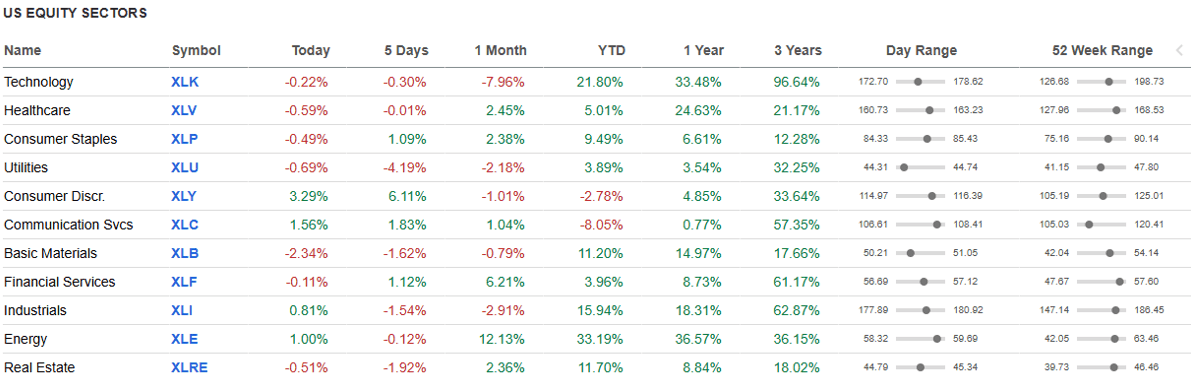
Sector leadership was mixed. Software, cloud computing, communication services, selected consumer companies, and financials performed well, while memory, semiconductor equipment, trucking, and selected defensive sectors lagged. Financials gained 6.2% during July, their strongest monthly performance in a year.
Source: Seeking Alpha
Source: Seeking Alpha
S&P 500 Weekly Leaders and Laggards Ranked
Top Performers (WTD):
- Microsoft Corporation (MSFT): +21.75%
Microsoft reported 43% Azure growth, it’s strongest since 2022. Solid free cash flow and evidence that AI investment is accelerating. - PTC Inc. (PTC): +20.57%
PTC reported annual recurring revenue above the top of guidance, stronger-than-expected free cash flow, and raised full-year ARR. - EPAM Systems (EPAM): +20.34%
EPAM joined the OpenAI Partner Network as an Advanced Partner and outlined plans to train and certify thousands of consultants to deploy enterprise AI solutions. The stock also benefited from valuation recovery after prior weakness. - Philip Morris International (PM): +18.97%
Philip Morris beat quarterly expectations, EPS rising 15%, and continued growth in smoke-free products. Expansion of Zyn production. - Workday (WDAY): +18.47%
Workday rallied on renewed confidence in enterprise software and agentic-AI adoptions.
Bottom Performers (WTD)
- C.H. Robinson Worldwide (CHRW): -28.51%
C.H. Robinson fell after a large Texas jury verdict raised concerns that freight brokers could face broader liability for accidents. - Sandisk Corporation (SNDK): -15.43%
Sandisk continued its steep correction after an extraordinary AI-memory rally. Concerns about Chinese memory capacity. - KLA Corporation (KLAC): -13.16%
KLA beat quarterly expectations, but guidance provided limited upside relative to elevated expectations. - Micron Technology (MU): -10.63%
Micron weakened as China’s semiconductor progress triggered fears of future commodity-memory supply growth. - Old Dominion Freight Line (ODFL): -8.95%
Old Dominion beat earnings and revenue expectations, but investors focused on softer freight volumes, slowing tons-per-day growth.
Breadth & Participation
Market participation was uneven but broader than the mega-cap earnings headlines suggested. On July 31, 91 U.S. stocks made new 52-week highs and 101 made new lows, producing a slightly negative daily spread. However, the cumulative new-high/new-low line remained in an expanding longer-term trend.
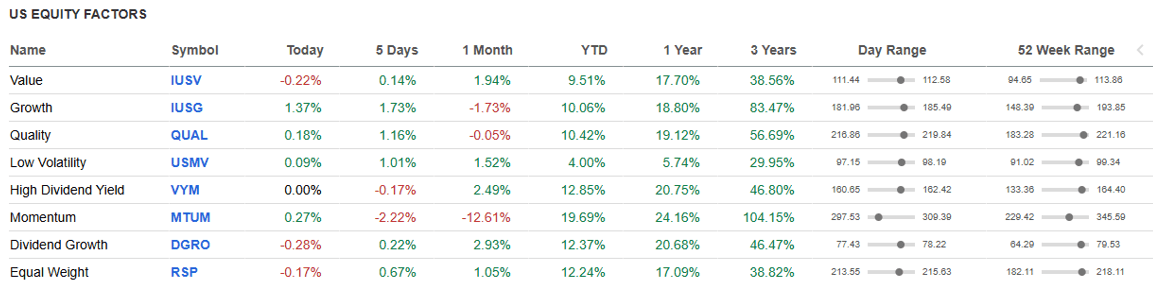
Software, cloud services, selected health-care companies, consumer staples, and financials offset continued weakness in memory and semiconductor equipment. The S&P 500 gained more than the equal-weight implications of several large losers because Microsoft, Amazon, and Alphabet provided substantial capitalization-weighted support.
Source: Seeking Alpha
International/Global
International markets experienced sharp technology-driven volatility. South Korea’s Kospi surged 17.9% in one session after earlier heavy selling in memory stocks, while global chip markets continued reacting to Chinese competition, AI-spending uncertainty, and forced hedge-fund deleveraging.
U.S.–Iran tensions remained unresolved. Military activity paused temporarily to allow diplomacy another opportunity, but strikes resumed later and traffic through the Strait of Hormuz remained constrained.

Source: Seeking Alpha
Volatility & Risk Sentiment
Equity Risk sentiment improved late in the week as Microsoft and Amazon restored confidence in profitable AI spending. Bond risk increased.
VIX: approximately 15.99
MOVE: over 80
Bonds, Credit & Interest Rates
Treasury yields ended the week near:
- 2-year Treasury: 4.29%
- 10-year Treasury: 4.74%
- 30-year Treasury: 5.28%
- 2-year/10-year spread: approximately +45 basis points
The 10-year yield reached its highest level since January 2025, while the 30-year yield reached its highest level since 2007. Inflation concerns, Treasury supply, firm economic data, and growing support inside the Fed for tighter policy pressured longer-duration bonds.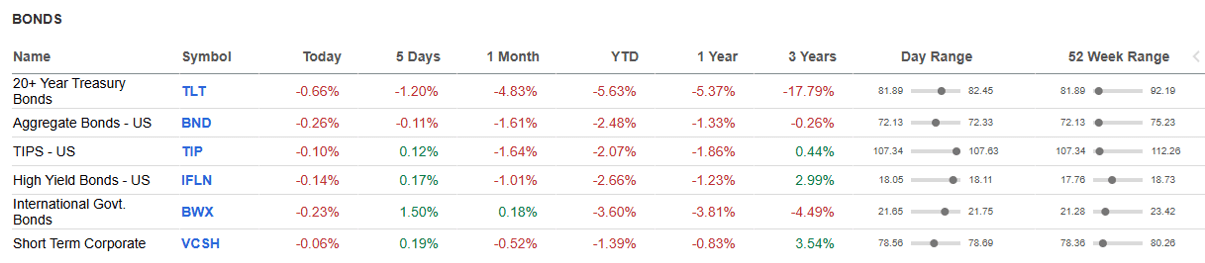
Source: Seeking Alpha
Economic Data, Monetary Policy & Earnings
The Federal Reserve maintained its target range at 3.50%–3.75%. The decision passed by a 9–3 vote, with Beth Hammack, Neel Kashkari, and Lorie Logan preferring a 25-basis-point increase. The statement described activity as solid but inflation as elevated, partly because of energy-related supply shocks.
Second-quarter real GDP grew at a 1.5% annual rate, down from 2.1% in the first quarter. Consumer spending, investment, and exports contributed positively, while government spending and rising imports limited growth. Real final sales to private domestic purchasers rose a stronger 3.9%.
June PCE inflation slowed to approximately 3.7% yty, from 4.1% in May, while core PCE remained near 3.3%.
The Employment Cost Index increased 0.9% during the quarter and 3.4% over the prior year.
FactSet reported that 61% of S&P 500 companies had announced results, with 86% beating EPS estimates and 77% beating revenue estimates. Blended Q2 earnings growth reached 47.4%, or 28.8% excluding the large investment-related gains at Alphabet and Amazon.
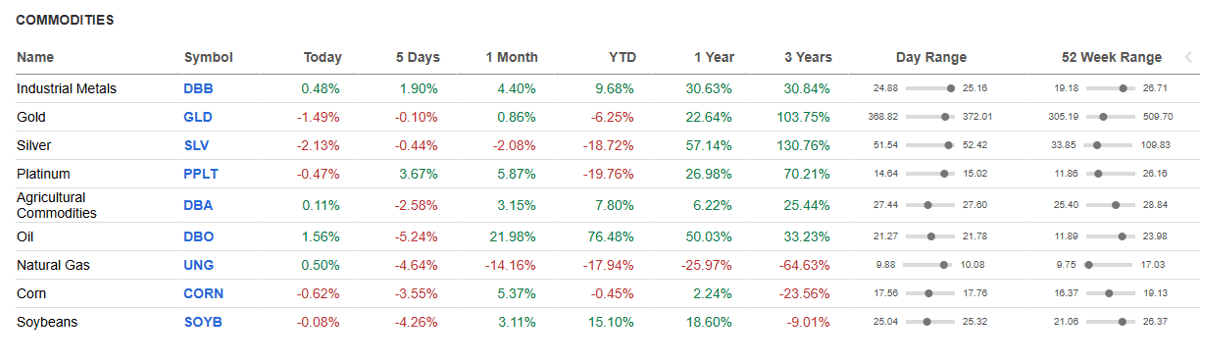
Commodities, Currencies & Macro Assets
WTI crude: approximately $84.67/bbl, down about 5.2% for the week
Brent crude: approximately $87.93/bbl
Gold: approximately $4,139/oz
Dollar Index: approximately 99.80
Bitcoin: approximately $63,800
Oil declined on the week despite renewed fighting because temporary diplomatic pauses and expectations for supply restoration reduced part of the immediate risk premium.
Source: Seeking Alpha
What Matters This Week
- July employment report and unemployment rate
- SpaceX’s first earnings report since its IPO
- AMD, Sandisk, Palantir, Caterpillar, Disney, McDonald’s, Uber, Pfizer, Airbnb, and Eli Lilly earnings
- U.S.–Iran diplomacy and Strait of Hormuz shipping
- Treasury yields and the probability of a September rate increase
- Whether the AI recovery broadens beyond Microsoft and Amazon
- Whether memory and semiconductor-equipment selling stabilizes
Bottom Line
Markets finished higher as Microsoft and Amazon demonstrated that large AI investments can generate stronger cloud growth, earnings, and cash flow. Investors are not treating all AI exposure equally. Meta, Apple, memory stocks, and semiconductor-equipment companies faced a much higher standard for guidance, capital efficiency, and near-term returns.
GDP slowed, inflation stayed above target, three Fed officials favored a rate increase, and long-term Treasury yields reached multiyear highs. Strong earnings continue to support equities, but the market remains highly sensitive to inflation, oil, policy, and evidence that AI spending can translate into durable free cash flow.
Stock Talk
Inflation is Draining Your Retirement Savings, After Helping Your Investments Grow.
Past performance is no guarantee of future results. Indexes are unmanaged and one cannot invest directly in an index. They do not reflect any fees, expenses or sales charges. The preceding discussion is for informational purposes only. Investing involves risk and no reference to any security listed above should be considered a buy or sell recommendation. Advisory services are provided through Oak Harvest Investment Services, LLC, a registered investment adviser.